
The honest comparison foreign patients actually need — zip2our.com
If you’ve spent any time researching plastic surgery abroad, you’ve landed on the same two countries.
Korea. Thailand.
Both are legitimate medical tourism destinations. Both have decades of experience treating international patients. Both offer significant savings compared to Western prices.
So which one is right for you?
This isn’t a promotional comparison designed to send you one direction. It’s an honest breakdown of what each country actually offers — so you can make the decision that fits your specific situation.
The case for Korea
Korea’s plastic surgery industry is built around one thing: precision.
The country performs more aesthetic procedures per capita than anywhere in the world. Korean surgeons operate in a highly competitive, highly scrutinized environment where results are expected to be natural, proportional, and lasting. The aesthetic philosophy is subtle — enhancement, not transformation.
Board certification in Korea requires completing a formal plastic surgery residency program and passing rigorous examinations through the Korean Society of Plastic and Reconstructive Surgeons (KSPRS). This is the equivalent of board certification in the US or Australia — and it’s the baseline, not the exception, at reputable clinics.
Implant quality is a meaningful differentiator. Korea’s top clinics use Motiva, Mentor, and Sebbin as standard — the same brands used in Western medical centers, at significantly lower prices. After the Allergan Biocell recall in 2019, Korean clinics moved quickly to smooth-surface implants. Most now default to Motiva’s SmoothSilk surface, which has no documented association with BIA-ALCL.
Technology investment in Korean clinics is substantial. Ultrasound-guided procedures, 4D imaging, and the latest generation of laser and RF devices are standard at mid-to-upper tier facilities. The infrastructure is comparable to — and in some cases ahead of — what you’d find in major Western cities.
The one consistent criticism of Korea is cost relative to Thailand. Korea is not the cheapest option in Asia. It is, however, priced significantly below Western markets — typically 40–60% less than equivalent procedures in the US, UK, or Australia.
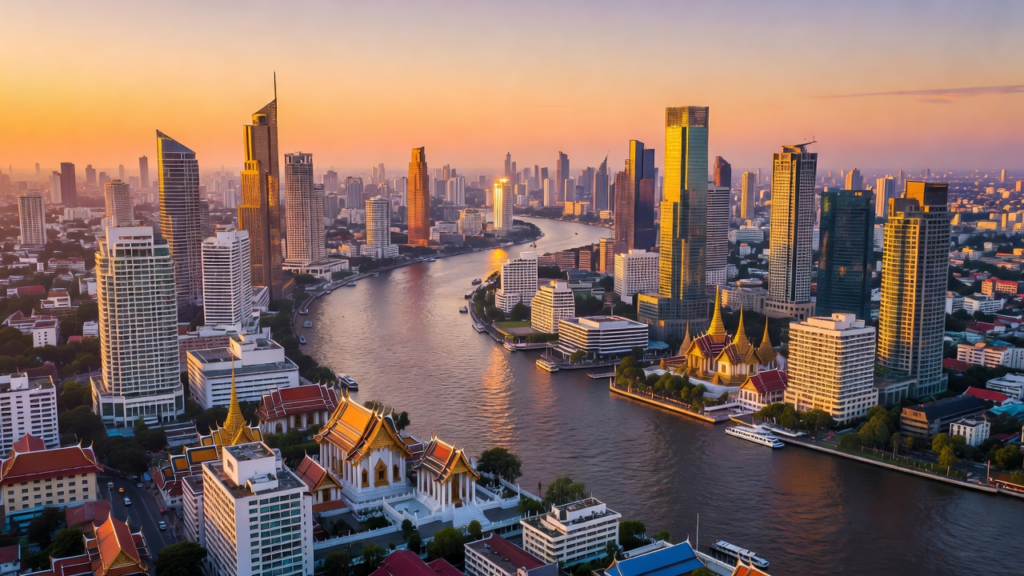
The case for Thailand
Thailand built its medical tourism industry on accessibility and volume, and it has done both extremely well.
Bangkok’s major hospital groups — Bumrungrad International, Bangkok Hospital, and Samitivej — are JCI-accredited and operate at international standards. They have decades of experience managing foreign patients, and their English-language infrastructure is among the best in Asia. You will have no trouble communicating at a major Bangkok hospital.
Price is Thailand’s strongest argument. For many procedures — particularly rhinoplasty, body contouring, and gender-affirming surgery — Thailand offers lower all-in costs than Korea. This is partly due to lower operating costs and partly due to volume.
Thailand also offers a more established medical tourism ecosystem for certain specialties. Gender-affirming surgery, in particular, is an area where Thailand has deep expertise and a long track record with international patients.
The concern with Thailand — and it’s worth stating plainly — is consistency. The gap between the best facilities in Bangkok and lower-tier clinics is significant. Thailand’s medical tourism industry spans everything from internationally accredited hospitals to small unlicensed clinics operating in tourist areas. The burden of verification falls entirely on the patient.
Head-to-head comparison
Surgeon credentials
Korea requires formal plastic surgery board certification (KSPRS) for practicing plastic surgeons. Verification is straightforward — ask for board certification and confirm it directly.
Thailand has board-certified surgeons at major hospitals, but the regulatory environment is less consistent outside those facilities. Verification requires more due diligence.
Advantage: Korea for consistency of credentialing.
Implant quality
Korea’s top clinics use Motiva, Mentor, and Sebbin as standard. Implant brand and model should be confirmed in writing before surgery.
Thailand’s major hospitals also use international implant brands. At lower-tier facilities, implant sourcing is less transparent.
Advantage: Korea for implant transparency at reputable clinics.
Price
For breast augmentation, rhinoplasty, and facial procedures, Thailand is generally 15–30% less expensive than Korea on an all-in basis.
For dental procedures and health checkups, the price gap narrows considerably.
Advantage: Thailand for price.
Aesthetic philosophy
Korean surgeons are trained in a specific aesthetic tradition — natural, proportional, conservative. This is ideal for patients who want enhancement without obvious change.
Thai surgeons at major hospitals are experienced with a wider range of aesthetic preferences, including more dramatic results.
Advantage: depends on your preference.
English communication
Both countries offer strong English support at reputable facilities. Korea’s independent clinics vary in English capability — coordination services like zip2our.com close this gap.
Thailand’s major hospital groups have dedicated international patient departments with strong English infrastructure.
Advantage: roughly equal at reputable facilities.
Recovery environment
Korea offers a dense concentration of recovery guesthouses, serviced apartments, and convenience infrastructure in Gangnam and surrounding areas. Seoul is a world-class city with everything you need within reach.
Bangkok offers similar recovery infrastructure at major hospital areas, often at lower accommodation costs.
Advantage: roughly equal, personal preference.
Post-op complications from abroad
This is where both countries face the same challenge: what happens if something goes wrong after you fly home?
At reputable facilities in both countries, remote follow-up protocols exist. However, the practical reality is that managing post-operative complications from abroad requires a local plastic surgeon at home who is willing to treat a patient who had surgery overseas. This should be arranged before you leave — regardless of which country you choose.
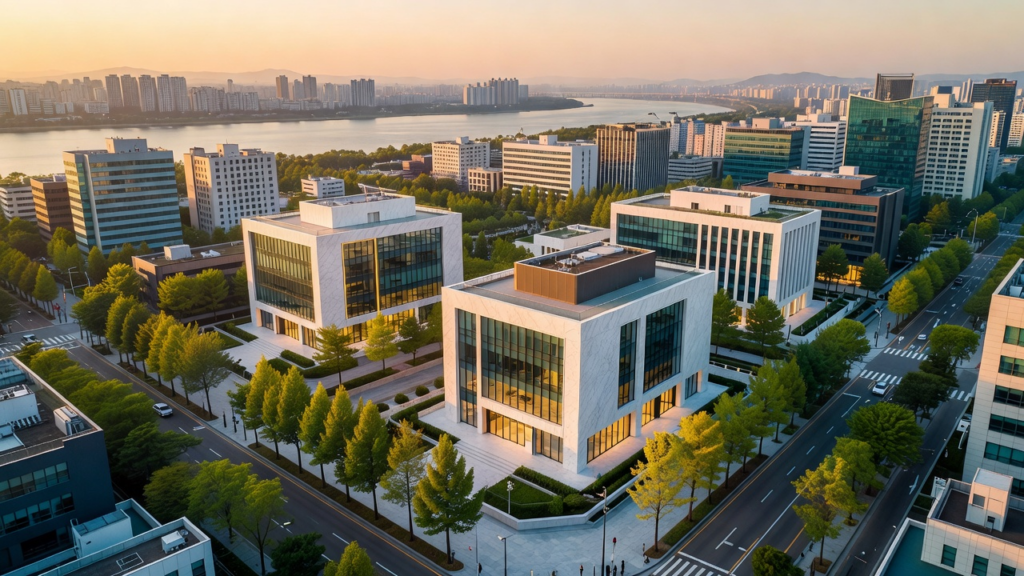
Which procedures favor Korea?
Breast augmentation — particularly with Motiva implants — is an area where Korea’s combination of surgeon expertise, implant quality, and competitive pricing makes it the stronger choice for most foreign patients.
Facial contouring — jaw reduction, zygoma reduction, facial bone surgery — is an area where Korean surgeons have developed deep specialization. The volume of these procedures in Korea is unmatched globally.
Rhinoplasty in Korea emphasizes natural-looking results with a strong track record in revision cases.
Eyelid surgery (blepharoplasty) is one of the most commonly performed procedures in Korea, and the level of surgical refinement in this area is exceptional.
Which procedures favor Thailand?
Gender-affirming surgery is an area where Thailand has the longest international track record and the deepest concentration of experienced surgeons.
Body contouring and liposuction at major Bangkok hospitals offers strong value, particularly for patients combining procedures.
Dental work at Bangkok’s top hospitals is competitive in price and quality, though Korea’s dental tourism sector has grown significantly.
The honest conclusion
Neither country is universally better. The right answer depends on what you’re having done, what your budget is, and how much risk tolerance you have in the verification process.
If you’re considering breast augmentation, facial procedures, or rhinoplasty, Korea’s combination of surgical expertise, implant quality, and natural aesthetic outcomes makes it the stronger choice for most foreign patients.
If price is the primary driver and you’re willing to do thorough verification, Thailand’s major hospitals offer genuine value — particularly for body contouring and gender-affirming procedures.
If you’re considering either country, the most important thing you can do is verify your surgeon’s credentials directly, confirm your implant brand in writing, and identify a local surgeon at home before you travel.
For Korea, zip2our.com handles the English coordination, clinic verification, and appointment booking — so you arrive knowing exactly what you’re getting.
Frequently asked questions
Is Korea or Thailand safer for plastic surgery?
Safety is determined by the specific surgeon and facility, not the country. Both Korea and Thailand have excellent surgeons at reputable facilities and poor outcomes at substandard ones. Verification is everything. At properly accredited facilities in both countries, safety standards are comparable.
Can I combine a vacation with surgery in either country?
Yes, in both cases. Seoul and Bangkok are world-class cities with extensive tourist infrastructure. Most surgeons recommend planning recovery time before sightseeing — typically 7–14 days of rest before significant activity.
How do I verify a Korean plastic surgeon’s credentials?
Ask for KSPRS board certification and verify it directly with the Korean Society of Plastic and Reconstructive Surgeons. Reputable clinics will provide this documentation without hesitation. Through zip2our.com, credential verification is part of the coordination process.
What’s the minimum stay for breast augmentation in Korea?
Most surgeons recommend a minimum of 10–14 days in Korea after breast augmentation before flying home. This allows for the initial follow-up appointment and surgeon clearance to fly.
Related articles on zip2our.com:
— Breast Augmentation in Korea: The Complete Guide for Foreign Patients
— Motiva Preserv Implants: What Foreign Patients Need to Know
— How to Choose a Plastic Surgery Clinic in Korea
— Korea Medical Tourism: Safety Guide for Foreign Patients
Disclaimer: This article is for informational purposes only. Always consult with a qualified medical professional before making decisions about surgical procedures.