
In recent years, the landscape of health travel has transformed significantly. In 2024, the country welcomed 1.17 million foreign patients, marking a notable milestone since 2009. This surge indicates a robust recovery in the sector, as it evolves into a key player in global health and wellness.
This guide aims to illuminate the various challenges and opportunities within the realm of health travel. Navigating this journey can be daunting, but understanding the current landscape is essential for anyone considering specialized services abroad. We will explore how this sector has grown and why millions choose this destination for their healthcare needs.
With a focus on actionable insights, we will help you tackle common hurdles and maximize the benefits of your upcoming journey. Whether you’re seeking advanced treatments or wellness services, our comprehensive review will provide the necessary tools for a successful experience.
Key Takeaways
- The number of foreign patients visiting has reached new heights.
- Understanding the landscape is crucial for informed decisions.
- This sector has become a leading destination for international patients.
- Actionable insights can help overcome common challenges.
- Millions choose this destination for health and wellness every year.
Introduction to Korea’s Medical Tourism Landscape
In the past few years, the health travel industry has undergone remarkable transformations. Officially established in 2009, this sector has turned South Korea into a global hub for advanced medical services. The government’s commitment to attracting international patients has fueled this growth.
The focus has shifted from low-value tourism to a model that emphasizes high-quality experiences. This change reflects a desire to provide exceptional services rather than merely catering to mass tourism. By offering a complete cycle of care—from pre-consultation to follow-up—patients enjoy a seamless experience.
Moreover, integrating shopping and tourism consumption supports a sustainable economic model for the sector. This holistic approach not only enhances patient satisfaction but also strengthens the overall tourism industry.
Current Global Medical Tourism Drivers
The dynamics of health travel are shifting due to various global factors. One significant driver is the aging population. The World Health Organization projects that by 2050, 22% of the global population will be aged 60 and over. This demographic shift is creating a substantial demand for specialized health services.
Moreover, chronic diseases are a growing concern. Currently, around 74% of deaths worldwide are linked to non-communicable diseases, such as cancer and cardiovascular issues. As local healthcare systems become overwhelmed, many patients are exploring medical travel as a viable alternative.
Rising healthcare costs in developed nations, particularly in the United States and the United Kingdom, are also pushing patients to seek treatment abroad. With the UK facing a staggering 7.6 million people on waiting lists as of 2023, the need for accessible healthcare has never been more critical.
As medical expenses continue to escalate, the global medical tourism market is expanding rapidly. It fills the gaps left by domestic systems that struggle to meet patient needs effectively.
“The global population aged 60 and over will nearly double by 2050, driving massive demand for specialized health services.”
| Factor | Impact | Statistics |
|---|---|---|
| Aging Population | Increased demand for health services | 22% by 2050 |
| Chronic Diseases | More patients seeking alternatives | 74% of deaths |
| Healthcare Costs | Patients looking abroad for treatment | 7.6 million on waiting lists in the UK |
Korea’s Emergence as a Global Medical Tourism Hub
With the world gradually reopening, the appeal of health travel has never been more pronounced. In 2024, South Korea welcomed a remarkable 16.37 million foreign tourists, showcasing a strong recovery in the tourism industry.
This growth in medical tourism demand is outpacing that of general travel sectors. Notably, visitors from Japan and Taiwan have surged by over 500% compared to pre-pandemic levels, reflecting the country’s growing reputation as a premier destination for specialized healthcare.
By diversifying its market, South Korea has moved away from a reliance on a single country. Now, it caters to a multipolar demand base, enhancing its appeal to international patients.
The convergence of high-quality medical services and the global popularity of the Korean Wave has driven this impressive growth. By addressing diverse international needs, the nation has solidified its position as a leading hub in the competitive global medical tourism industry.
“The growth in medical tourism is not just a trend; it’s a reflection of the high-quality care available.”
High-Tech Medical Services and Innovation in South Korea
The integration of advanced technology in healthcare is revolutionizing patient care. Leading institutions are leveraging state-of-the-art systems to enhance treatment outcomes and patient experiences.
For instance, Samsung Medical Center utilizes AI-driven technology, such as IBM Watson, to analyze extensive data for personalized cancer treatment plans. This innovative approach ensures that patients receive tailored therapies that best suit their needs.
Additionally, major hospitals are equipped with Da Vinci robotic systems. These allow for highly precise surgeries with minimal recovery time, showcasing the effectiveness of modern medical services.
Innovation in medicine is a cornerstone of the country’s strategy. By investing in cutting-edge diagnostic tools, these hospitals maintain a competitive edge, attracting patients globally.
Robotic navigation and minimally invasive techniques are now standard in many clinics. This reflects the high level of technological sophistication in healthcare, providing patients with advanced options for their treatments.
Structural Shifts in Korea’s Medical Tourism Industry
The industry of health travel is experiencing noteworthy shifts in its operational structure. A significant 85.4% of foreign patients currently receive treatment in Seoul, indicating a strong regional concentration. However, the medical tourism industry is actively working to expand services to regional hubs.
This new integrated patient journey approach aims to bundle medical services, shopping, and follow-up care into one seamless experience for international patients. By unifying the evaluation and tracking system at the national level, the government ensures that the quality of care remains consistent across all hospitals.
This structural shift is designed to move the industry beyond simple recovery and into a phase of sustainable, high-value-added growth. Coordinating the entire journey helps mitigate the risks associated with unlicensed brokers, ensuring that patients receive reliable support throughout their stay.
Specialties Driving Korea’s Medical Excellence
The pursuit of excellence in healthcare has led to a surge in specialized services. This focus on specific fields has established the country as a leader in advanced treatments. Notably, two areas stand out: plastic surgery and cancer treatment.
Plastic Surgery and Aesthetic Medicine
With over 2,700 board-certified plastic surgeons, the nation holds the highest density of specialists in the world. This expertise attracts countless international patients seeking cosmetic enhancements. The range of procedures available is vast, ensuring tailored options for diverse needs.
Cancer Treatment and Advanced Therapies
In oncology, the country boasts a remarkable 72.9% five-year cancer survival rate, surpassing many major centers globally. Advanced therapies, such as proton and tomo-therapies, are standard in hospitals, offering life-saving treatments for complex conditions. High success rates in thyroid and breast cancer treatments draw patients from around the world.
- South Korea leads the world in oncology, outperforming major medical centers in the United States and the UK.
- Advanced therapies are standard in major hospitals, providing life-saving treatment for patients with complex conditions.
- High success rates for thyroid and breast cancer treatments attract thousands of international patients seeking the best possible health outcomes.
Comprehensive Medical Checkups and Preventative Health
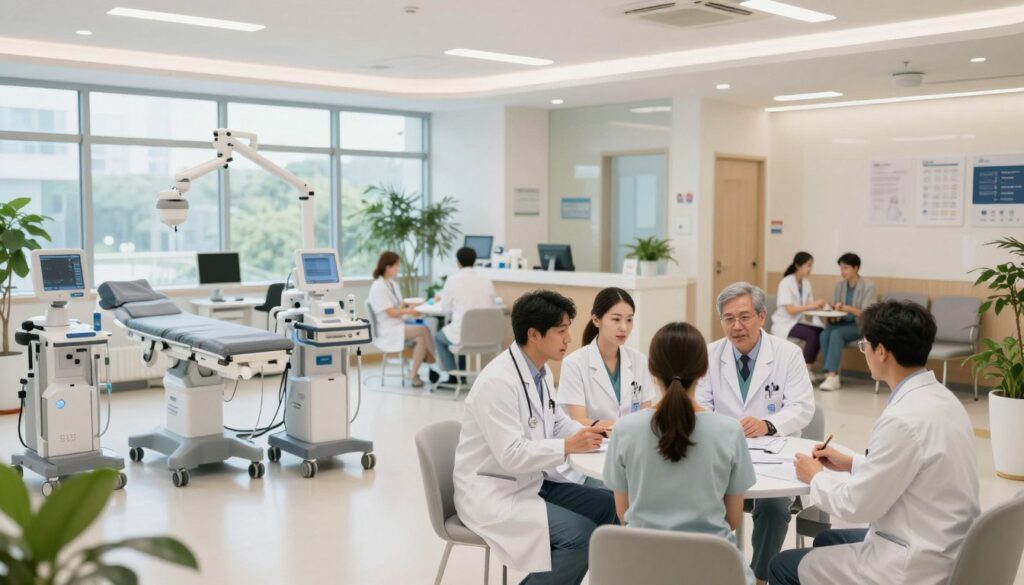
The focus on preventative health has gained traction, making comprehensive checkups more popular among travelers. Every year, over 55,000 medical tourists visit to undergo full-body screenings that prioritize early detection of illness.
These smart diagnostic packages are designed to be efficient. Typically lasting 4-6 hours, they include essential tests like MRI, CT scans, and blood work, all with same-day results.
Patients receive same-day specialist reviews and translation support. This ensures they have all the necessary information before returning to their home countries.
The high participation rate in these preventative health programs reflects a cultural commitment to wellness. This commitment is now accessible to international visitors, making health a priority during their travels.
By offering fast-track screenings, hospitals provide a valuable service to patients who face long wait times for similar diagnostic procedures elsewhere.
Korea medical tourism — pain points & solutions
Navigating the complexities of health travel unveils several pressing issues for international patients. One major challenge is the heavy concentration of services in Seoul, which leaves the market vulnerable to fluctuations in demand.
To address these challenges, the government is taking proactive steps. They are developing a unified national system to enhance support and follow-up care for all patients.
Additionally, unlicensed brokers pose significant risks. New regulations are being implemented to ensure that patients are protected throughout their medical journey.
Strategic solutions include:
- Diversifying medical offerings beyond cosmetic procedures to include treatments for severe diseases and rehabilitation services.
- Building a robust institutional foundation to foster long-term trust and ensure high-quality care for every patient.
- Enhancing patient support systems to provide a seamless experience from start to finish.
Cost Efficiency: Savings and Value in Korean Medical Care
The financial aspects of healthcare have become a crucial consideration for many patients traveling abroad. With the rising costs of treatment in developed countries, many are exploring more affordable options.
International patients can achieve significant savings, often between 40% and 70%, on medical care compared to the high costs found in the United States. A comparative cost analysis reveals that a kidney transplant in this region is priced at a fraction of the $446,800 average seen in American hospitals.
The transparent price structure for procedures like liposuction and breast cancer surgery makes it easier for patients to plan their medical tourism budget. Despite the lower costs, the quality of services remains world-class, ensuring that patients do not have to sacrifice safety for affordability.
By providing high-value medical care at competitive prices, the country continues to attract cost-conscious patients from all over the world.

| Procedure | Cost in the US | Cost in Korea |
|---|---|---|
| Kidney Transplant | $446,800 | $40,000 – $70,000 |
| Liposuction | $3,500 – $10,000 | $1,500 – $3,000 |
| Breast Cancer Surgery | $20,000 – $50,000 | $10,000 – $15,000 |
The Role of Hallyu Culture in Shaping Patient Trust
The rise of Hallyu culture is changing the landscape of patient trust in international healthcare. This cultural phenomenon, which includes popular music and dramas, acts as a powerful amplifier for the healthcare industry.
As the global popularity of K-Drama and K-Pop increases, many people find themselves more comfortable with the idea of seeking treatment abroad. Patients often report that their positive experiences are influenced by the cultural familiarity gained through creator content and online beauty communities.
- This cultural influence serves as a cost-efficient marketing tool, easing the decision-making process for individuals considering surgery.
- Fans of Korean culture share their personal medical experiences, providing valuable information that helps others navigate the complexities of the healthcare system.
- The transfer of trust from entertainment to healthcare is a unique aspect that sets this destination apart from others.
“Cultural connections play a vital role in enhancing patient trust and comfort when seeking treatments abroad.”
Patient Testimonials and Real-World Experiences
Understanding the experiences of those who have traveled for treatment can illuminate the healthcare landscape. Real-world accounts from patients reveal valuable insights into the quality of care provided.
For instance, Vladimir Kondratyuk from the Russian Federation praised the operational efficiency and high quality of care at Asan Medical Center. His experience highlights how well patients are treated in top-tier hospitals.
Similarly, a review from Keani, a patient from the United States, emphasized the attentive support and excellent results achieved at SAERO Plastic Surgery in 2026. These testimonials provide prospective patients with a realistic look at the medical tourism experience, from initial consultation to post-operative recovery.
By analyzing verified reviews, patients can better understand the standards of care maintained by leading hospitals and clinics across the country. Success stories serve as a testament to the professionalism of the doctors and the effectiveness of the medical services offered to international visitors.
Comparative Analysis with Other Medical Tourism Destinations
The race among nations to establish themselves as leading health travel destinations is intensifying. Countries like Thailand and Singapore have long been popular, but the competition is fierce.
When compared to these established hubs, South Korea stands out due to its superior cancer survival rates and advanced robotic technology. This unique combination attracts patients seeking the best possible clinical outcomes.
The industry in this country offers a blend of high-tech medical care and a vibrant, globally recognized culture. While others may compete on price, the focus here is on high-value-added services.
By analyzing the strengths of various countries, international patients can better determine which destination aligns with their specific medical and travel needs. The competitive landscape continues to evolve, with ongoing innovation and investment ensuring that this country maintains its lead.
Travel, Visa, and Accommodation Insights for US Patients
Traveling for health services has become increasingly accessible for patients seeking care abroad. For US citizens, entering South Korea is straightforward. They can enjoy visa-free travel for up to 90 days, provided they complete the necessary e-Arrival Card procedures starting February 2025.
For those needing longer stays, various accommodation options are available. Medical guesthouses and serviced apartments near clinics in Gangnam typically range from $60 to $120 per night. These options ensure that patients are close to their treatment facilities.
It is crucial for patients to secure private insurance. The National Health Insurance system does not cover short-term visitors. Many hospitals offer comprehensive support, including airport transfers and on-site recovery suites, ensuring a stress-free experience for international guests.
Planning ahead for local transportation and accommodation is vital. By organizing these details in advance, patients can ensure a successful and comfortable medical journey.
Strategies for a Stress-Free Korean Medical Journey
Effective planning is crucial for a smooth journey when seeking healthcare abroad. A well-structured approach can significantly enhance your experience. Utilizing expert services can help in selecting the right clinics and doctors tailored to your needs.
It’s essential for patients to gather all necessary medical records and ensure they are translated. This information allows doctors to create accurate treatment plans. A dedicated coordinator can assist in scheduling procedures, arranging accommodations, and managing travel logistics.
Ongoing support from medical experts ensures that patients feel secure and well-informed throughout their journey. By following a structured roadmap, you can focus on recovery while enjoying the cultural benefits of your trip.
- A stress-free medical journey begins with careful planning, including expert services.
- Ensure all medical records are translated for accurate treatment planning.
- Utilize a dedicated coordinator to simplify scheduling and logistics.
- Ongoing support from experts provides reassurance throughout the experience.
- Following a structured roadmap allows for a focus on recovery and cultural enjoyment.
Conclusion
As we conclude, it’s clear that South Korea has firmly established itself as a global leader in the medical tourism industry. By combining advanced technology with high-quality patient care, the country attracts over 1.17 million patients annually. This success highlights the effectiveness of its integrated approach to health and wellness.
As the industry evolves, the focus remains on providing sustainable, high-value-added services that cater to a diverse global population. International patients can confidently choose this destination for their healthcare needs, assured of receiving world-class treatment in a safe and supportive environment.
We hope this guide has equipped you with essential insights to navigate the complexities of your medical journey. By prioritizing trust, innovation, and patient-centered care, South Korea is poised to remain at the forefront of the global medical tourism sector for years to come.