
This concise guide helps women in the United States evaluate breast augmentation options in south korea with clear facts on safety, cost, and logistics.
The country saw over 1.17 million foreign patients in 2024, a figure that reflects established services and steady demand from other countries. This introduction summarizes what medical tourists need to check: surgeon credentials, implant brands, recovery time, and safety protocols.
Readers will find practical steps to verify surgeons, compare prices, and plan post-operative care. The resource focuses on procedure details and on-the-ground support, including accommodation, insurance questions, and day-to-day costs during recovery.
The goal is to present balanced information that weighs benefits and risks so patients can make informed decisions about treatment abroad.
Key Takeaways
- South korea treated 1.17 million foreign patients in 2024, showing strong patient flow and institutional experience.
- Verify surgeon credentials, hospital reviews, and implant brands before booking a procedure.
- Compare total costs, including travel, accommodation, and possible follow-up care.
- Understand recovery timelines and arrange local support and insurance coverage.
- Select programs that prioritize transparency, safety protocols, and clear post-op plans.
The Rise of Korean Medical Tourism for US Patients
Foreign patient visits jumped 93.2% in 2024, pushing inbound care past one million for the first time. This milestone reflects rapid recovery after global disruptions and signals growing trust in cross-border procedures.
Many patients from the United States now consider the country for both complex treatments and routine procedures. The mix of advanced technology and competitive price often guides that choice.
Government programs have standardized aspects of the patient journey. These initiatives improved registration, quality checks, and multilingual support so international tourists face fewer logistical hurdles.
| Metric | Value | Impact on Patients |
|---|---|---|
| 2024 Surge | +93.2% | Higher facility experience with international cases |
| Cumulative since 2009 | >5,000,000 | Established cross-border service pathways |
| Main drivers | Technology + Price | Access to complex treatments at lower cost |
| Support | Multilingual services | Better coordination for follow-up and travel |
The practical result for an American patient is clearer expectations. Prospective patients should review credentials, compare total cost, and confirm post-op plans before booking.
Understanding this rise helps readers weigh benefits against risks and plan a safer, more predictable treatment experience abroad.
Why South Korea Leads in Plastic Surgery Excellence
South Korea’s hospitals combine high procedural volume with measurable outcomes that matter to international patients.
Global standards of care are visible in published results. The country reports a 5-year gastric cancer survival rate of 77%, and 18 hospitals appeared on the Newsweek/Statista World’s Best Hospitals 2023 list. These benchmarks show system-level attention to quality and transparency.
Advanced surgical techniques support precise plastic surgery procedures. Facilities use 3.0 TESLA MRI and PET-CT scanners, and many centers offer robotic-assisted operations and cell therapy for regenerative applications.
Board-certified doctors undergo rigorous training and often pursue international internships. That density of specialists gives patients access to experienced teams and detailed records that aid follow-up care.
- High success rates for complex procedures
- Integrated diagnostics and surgical planning
- Documented post-op protocols and transparent records
Verifying Surgeon Credentials and KSPRS Certification
Verifying a surgeon’s official certification and experience is the single most important safety step for international patients.
The Korean Society of Plastic and Reconstructive Surgeons (KSPRS) is the primary body that confirms board certification for plastic doctors. Foreign patients should cross-reference a surgeon’s name with the KSPRS registry before finalizing travel plans.
Reputable clinics share membership documents, years of experience, and case histories on request. A thorough consultation will review the surgeon’s specific expertise in the requested procedure, expected outcomes, and known risks.
Support staff at certified clinics commonly help international patients verify credentials and arrange pre-trip paperwork. Online reviews and patient testimonials add context, but official certification remains the gold standard for protecting health and investment.
| Verification Step | Why it matters | What to request |
|---|---|---|
| Check KSPRS registry | Confirms board certification | Registered name, license number, specialty |
| Request surgeon CV | Shows training and case volume | Years of experience, procedure types, outcomes |
| Confirm clinic transparency | Indicates process and follow-up care | Written consent, risk discussion, post-op plan |
| Cross-check reviews | Offers patient perspective | Recent testimonials, complication handling, support |
Practical rule: prioritize verified certification, documented experience, and open communication. That combination reduces uncertainty for patients arranging treatment abroad and helps ensure clearer recovery plans, cost details, and quality care.
Understanding Breast Augmentation Implant Brands
Choosing an implant brand shapes both the immediate result and long-term safety of breast augmentation.
Modern implants used in reputable clinics are regulated and often sourced from well-known global manufacturers. These devices undergo clinical testing and regulatory review before they are offered to patients.
Safety profiles vary by texture, fill material, and shell design. Clinics will explain differences in gel cohesiveness, saline versus silicone, and how each option affects feel and longevity.
Safety Profiles of Modern Implants
- Selecting the right brand is a core part of the procedure and requires review of safety data and complication rates.
- Many implants now support long-term durability and are included in research on cell therapy and reconstructive treatments.
- Clinics that use only FDA-approved or equivalent devices reduce device-related risk and aid follow-up care.
- Price often reflects implant quality; discuss cost alongside documented outcomes with your surgeon.
Patients should prioritize brands with low complication rates and strong satisfaction records. A thorough consultation will cover risks, expected longevity, and how implants interact with prior cancer treatments or future imaging. Choosing established brands and a transparent clinic helps minimize surprises and makes surgery outcomes more predictable.
Comparing Motiva and Mentor Implant Options
Two implant manufacturers frequently requested by international patients are Motiva and Mentor. A clear comparison helps a patient choose based on anatomy, desired result, and long-term follow-up needs.
Motiva is noted for an ergonomic shape and a soft, natural feel. Many patients select it when a subtle contour and motion are priorities.
Mentor carries a long-standing reputation for consistency and broad clinical data. Surgeons often cite Mentor for its predictable sizing and established safety records.
| Feature | Motiva | Mentor |
|---|---|---|
| Feel / Shape | Ergonomic, softer | Structured, predictable |
| Clinical Track Record | Growing international use | Decades of global data |
| Availability in clinics | Offered at top-tier clinics | Widely available in many clinics |
| Impact on follow-up | May require brand-specific checks | Standardized imaging and monitoring |
Practical advice: discuss both brands with your surgeon at the clinic to review safety profiles, long-term results, and how implants integrate with any prior cancer treatment or future imaging.
Note on price: the surgery cost can vary by implant choice; request a written quote that lists device and clinic fees before scheduling treatment.
Essential Safety Protocols for International Patients
Choosing a facility with global accreditation reduces uncertainty for patients traveling for procedures. This section lists the safety checks that medical tourists should confirm before booking treatment abroad.
JCI Accreditation Standards
Joint Commission International (JCI) accreditation signals adherence to verified global safety and quality standards. Many top hospitals in south korea hold JCI status, which supports consistent protocols for pre-op screening, infection control, and outcomes tracking.
Emergency Preparedness
Certified facilities maintain clear emergency response plans and rapid access to specialists. Foreign patients should ask clinics for written emergency procedures and evidence of regular drills.
Anesthesia Safety
Anesthesia protocols include dedicated, board-certified anesthesiologists and continuous monitoring during all major surgery. Pre-operative assessments and post-op observation reduce risk and contribute to a higher survival rate for complex treatments.
| Safety Item | What to confirm | Why it matters |
|---|---|---|
| JCI Accreditation | Certificate, expiry date, scope | Verifies process and quality controls |
| Emergency Plan | Written protocol, response time, ICU access | Ensures complications are managed immediately |
| Anesthesia Care | Assigned anesthesiologist, monitoring logs | Reduces intra‑op risks and improves recovery |
| Insurance & Support | Travel insurance that covers complications | Limits financial risk during post-op care |
Practical advice: verify these items with your clinic and confirm follow-up plans before travel. Confirming safety protocols greatly reduces risks associated with korean medical tourism and supports a safer recovery experience.
Planning Your Recovery Timeline
Early planning for rest, follow-up, and accommodation makes recovery predictable. A concise timeline helps patients and doctors coordinate the first critical checks after a procedure. This reduces stress and supports safer healing.
Recommended Stay Duration
Minimum recommended stay: 10–14 days for breast augmentation. This window covers immediate recovery, suture checks, and the first post-op visit at the clinic.
Medical tourists should schedule the initial consultation, the surgery day, and at least two follow-up visits within this period. Proper accommodation close to the clinic reduces travel strain during the first days.
| Item | Recommended Days | Why it matters |
|---|---|---|
| Pre-op consultation | 1–2 days | Confirm plan and baseline tests |
| Surgery and immediate recovery | 1–3 days | Observation and pain control |
| Early follow-up checks | 7–10 days | Incision check and complication screening |
| Final local clearance | 10–14 days | Safe travel approval and instructions |
Practical note: discuss individual needs with your doctor and factor in accommodation cost, insurance, and local support services. Clear planning helps patients manage physical recovery and the emotional aspects of travel for treatment.
Realistic Budgeting for Your Surgical Trip
Calculate an all-in price that covers surgery, stay, and unexpected costs before you commit to travel. A realistic budget for a breast augmentation trip to south korea typically ranges from USD $5,000 to $9,000. This figure covers the surgical procedure, anesthesia, hospital fees, and initial post‑operative care.
Patients traveling from the United States should add international flights and local transport to the estimate. Budget also for accommodation, meals, recovery supplies, and any clinic fees not included in the initial quote.
Request a detailed, itemized quote that breaks down device fees, facility charges, follow-up visits, and potential extra procedures. Transparent pricing is a key signal of reputable services and reduces the chance of unexpected bills.
| Item | Typical USD Range | Notes |
|---|---|---|
| Surgery & hospital fees | $3,000–$6,000 | Includes anesthesia and immediate post-op care |
| Travel & accommodation | $800–$1,800 | Roundtrip flight plus 10–14 nights lodging |
| Additional items | $200–$500 | Meals, transport, recovery supplies |
| Contingency fund | $500–$700 | For unforeseen follow-up or minor complications |
Compare the total cost in south korea with domestic prices to see potential savings. Plan a contingency fund and confirm that follow-up care and emergency protocols are included in your treatment plan. Careful budgeting lets a patient focus on recovery and the quality of treatment without avoidable financial stress.
Navigating Visa and Travel Requirements
Visa status and documentation often determine whether a surgical trip proceeds smoothly or faces delays. Confirming entry rules early gives patients a clear timeline for consultations, surgery, and follow-up.
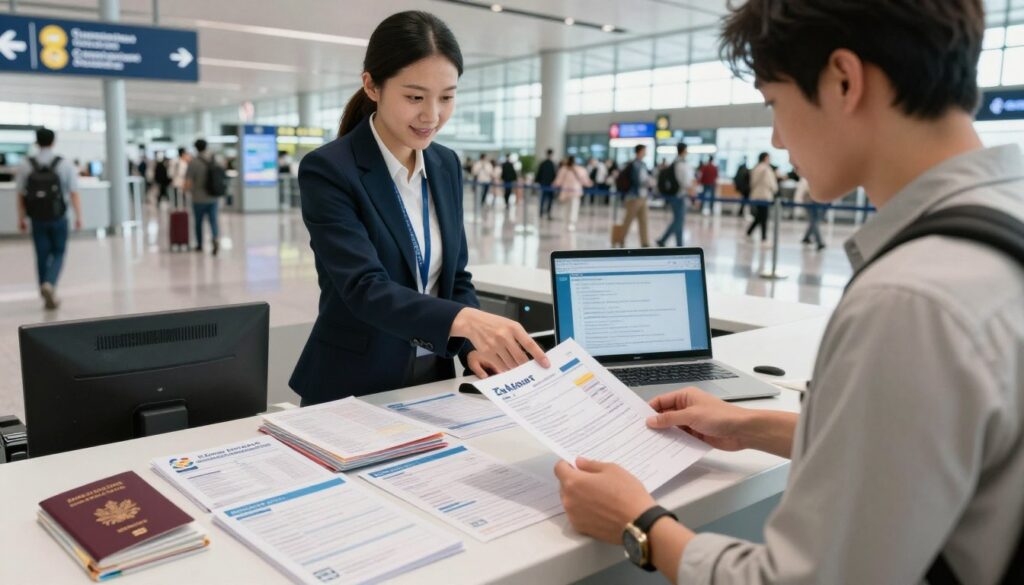
Most short-term medical tourists enter south korea visa-free or on a standard tourist visa (C-3). Rules change, so contact the local embassy well before booking travel to verify eligibility and processing times.
Foreign patients may qualify for a 10% VAT refund on eligible cosmetic treatments when using participating institutions. Ask the clinic for documentation required to claim the refund and confirm which procedures are covered.
Keep printed copies of your appointment confirmation, written treatment plan, and clinic contact details. Presenting this paperwork at immigration can avoid questions and speed entry.
| Requirement | Action | Why it matters |
|---|---|---|
| Visa status | Check embassy rules, apply early | Prevents travel delays and missed appointments |
| VAT refund | Request clinic participation and receipts | Reduces overall cost of procedures abroad |
| Documentation | Carry confirmations and treatment plan | Facilitates immigration and clinic intake |
| Local contacts | Save clinic and hotel numbers | Helps patients manage unexpected changes |
Practical note: verify all travel documents and confirm logistics early. Good preparation reduces interruptions so a patient can focus on recovery and the planned treatment.
The Importance of Professional Coordination
A dedicated coordinator turns complex travel logistics into a clear, step-by-step plan for the patient.
Professional coordination is vital for managing international medical tourism and ensuring a seamless experience. Coordinators handle scheduling, arrange transport, and confirm appointments with the clinic so patients face fewer last-minute changes.
They help foreign patients navigate language barriers and translate medical instructions. This lowers the chance of misunderstanding pre-op or post-op directions, which improves safety for surgery and other procedures.
Dedicated coordinators also organize local services such as accommodation, ground transfer, and follow-up appointments. They connect the surgical team and the patient so communication stays consistent before and after treatment.
| Service | What coordinator provides | Why it matters |
|---|---|---|
| Scheduling | Appointment management, reminders | Reduces missed visits and delays |
| Language support | Translation of instructions and consent | Improves understanding and consent quality |
| Post-op planning | Local care, discharge instructions | Supports recovery and follow-up at home |
Choose established agencies with proven experience supporting foreign patients. Their services reduce stress and improve the overall experience of plastic surgery and other treatments abroad.
Utilizing Zip2our for Seamless Medical Travel
Zip2our.com connects patients with certified clinics and manages logistics so care and recovery remain the focus.
The platform pairs prospective patients from the United States with verified korean clinics and doctors. It provides a clear path from initial consultation through post‑operative follow-up.
Zip2our offers itemized cost estimates and documented options for plastic surgery and related treatments. Users can compare price, procedure details, and hospital reviews before committing to travel.
Coordination includes scheduling, translator support, accommodation recommendations, and help with insurance questions. This reduces the administrative burden on medical tourists and lowers the chance of missed appointments.
| Service | Benefit | Why it matters |
|---|---|---|
| Clinic matching | Certified providers | Improves quality and safety |
| Cost estimates | Transparent pricing | Reduces unexpected expenses |
| Post-op support | Follow-up coordination | Supports recovery and outcomes |
Practical note: use trusted coordination services to verify credentials, review hospital safety, and plan accommodation. A professional coordinator helps patients focus on recovery rather than logistics.
Managing Post-Operative Care After Returning Home
After returning home, structured follow-up is the single most important step to protect surgical results and overall health. Clear communication with your clinic and timely check-ins reduce the chance of complications.
Before departure, request complete medical records in English. These documents help local doctors review your procedure, devices, and any cancer history or cell therapy notes that affect future care.
Many reputable clinics provide remote consultation services. Remote visits let the operating surgeon review wounds, answer questions, and adjust medications without extra travel.
Keep a daily log of symptoms, pain scores, and medication changes. Share that log during remote calls so doctors can evaluate trends and decide if an in-person visit is needed.
If you notice concerning signs, contact your coordinator immediately for guidance and referrals. Coordinators link foreign patients to local services and confirm transfer of records or urgent appointments.
Follow-up care may include local physical therapy or nursing services to support healing. The quality of post-op care equals the importance of the surgery itself for long-term outcomes and survival rate.

Cultural Considerations for Medical Tourists
Cultural awareness shapes how international patients experience appointments, recovery, and daily life during a surgical trip. Simple gestures of respect reduce confusion and help clinical teams communicate more clearly.
Respect local customs. Polite greetings, modest dress, and quiet patience in waiting areas are commonly appreciated. This small effort eases interactions with staff and support services.
Privacy and modesty matter in clinical settings. Ask for same‑gender staff if that makes a patient more comfortable. Clear privacy requests help protect dignity and streamline care.
Use downtime to explore nearby cultural sites at a slow pace. Gentle activity and brief outings can improve mood and aid recovery when cleared by the surgeon.
Learn a few phrases and keep clinic contact details handy. Coordinators and translators help, but basic language shows respect and often improves the overall tourism experience for medical tourists.
Conclusion
This guide closes with a practical summary that ties safety, cost, and logistics into a clear plan for prospective patients. It emphasizes a checklist approach: verify surgeon credentials and accreditation, request itemized quotes, and confirm written post-op plans. For many readers, korean medical tourism offers access to skilled teams and competitive pricing when these steps are followed.
Plan recovery and budget carefully, and use a trusted coordinator to manage appointments, translation, and local services. Keep records and request English medical summaries to support follow-up care. Above all, prioritize safety and clear communication with your surgical team. The goal is informed decisions that protect health and improve outcomes for patients considering procedures abroad.